Flood Water Removal
Flood water removal, extraction, and full structural drying.
Learn more →Delaware · Sussex County
Need water damage restoration in Long Neck, DE? Call (877) 899-4231 for fast, affordable help. Local restoration teams provide 24/7 water extraction, flood water removal, structural drying, and standing water removal.
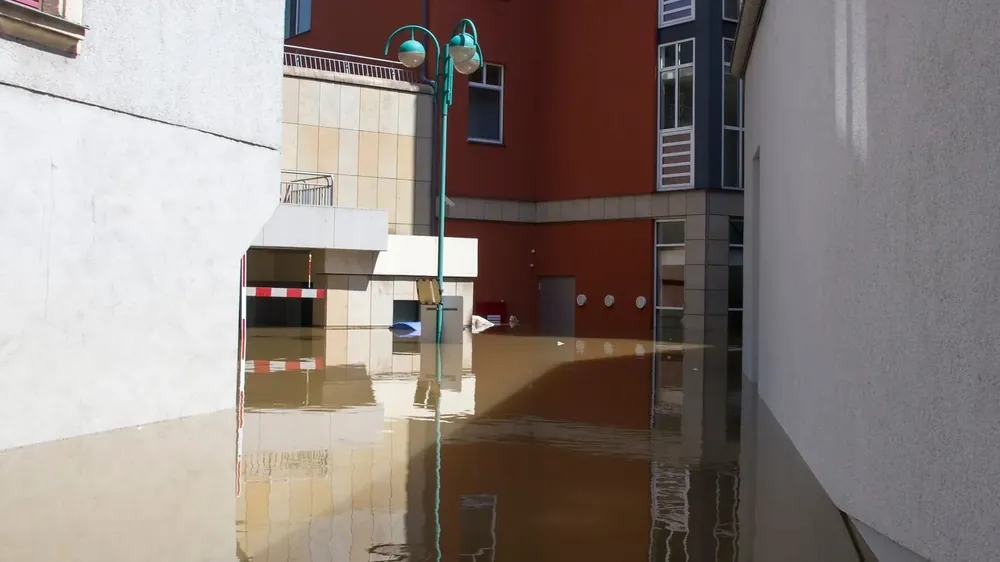
Submersible pumps and truck-mounted extractors are crucial tools in the fight against water damage in Long Neck, where coastal storms and heavy rain can cause flooding. The crews are familiar with the risks that come with living in a low-lying area of Sussex County, where water can quickly accumulate. Hurricane remnants and winter freezes also pose a threat to properties in the area.
The teams respond 24/7 to water damage emergencies in Long Neck and nearby areas, including Millville, providing water extraction, removal, structural drying, and dehumidification services to mitigate damage and prevent further issues. The crews use air movers, dehumidifiers, and moisture meters to ensure that properties are thoroughly dried and safe for occupancy.
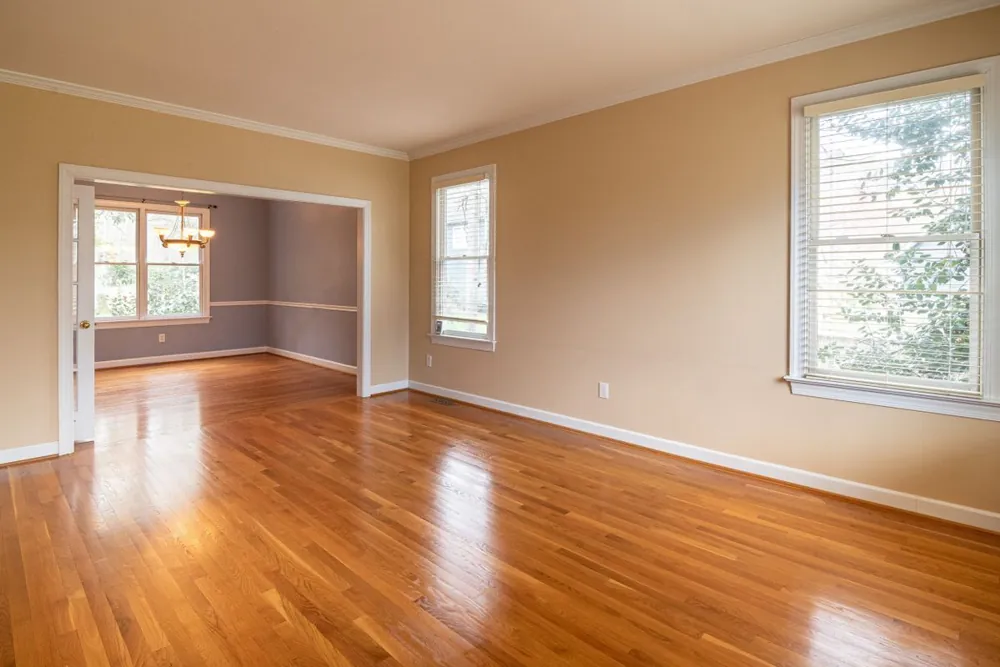
Water damage restoration follows the ANSI/IICRC S500 standard, the industry benchmark for cleanup and drying. Under that standard, a loss is classified by water category and class, and the drying plan is built around that reading.
Moisture meters and thermal imaging locate hidden water behind walls and under floors. Calibrated air movers and dehumidifiers dry the structure using proven psychrometric principles, which removes moisture that surface drying leaves behind and prevents secondary damage and mold.
Flood water removal, extraction, and full structural drying.
Learn more →Fast removal of standing water from floors and low areas.
Learn more →Cleanup and extraction after storm and heavy-rain water intrusion.
Learn more →High-volume pump-out for flooded basements and properties.
Learn more →Site and commercial dewatering for large-volume water.
Learn more →Basement water removal, pump-out, and drying below grade.
Learn more →Crawl space water removal and moisture barrier drying.
Learn more →Rapid response to burst and broken supply-line water damage.
Learn more →Cleanup for frozen and cracked pipe water damage.
Learn more →Cleanup for water heater, washer, and dishwasher leaks.
Learn more →Water removal from roof and ceiling leaks.
Learn more →Water removal after a sump pump fails or is overwhelmed.
Learn more →Cleanup for clean-water toilet, tub, and sink overflows.
Learn more →Large-scale water extraction and removal for businesses.
Learn more →Deep carpet water extraction and subfloor drying.
Learn more →Psychrometric drying of walls, flooring, and framing.
Learn more →High-capacity dehumidification for wet interiors.
Learn more →Specialty drying for water-damaged hardwood floors.
Learn more →Drying for wet carpet and padding after a spill or leak.
Learn more →On-site inspection with moisture mapping and documentation.
Learn more →Detection of hidden and slow water leaks.
Learn more →Removal and extraction of contaminated sewage water.
Learn more →Cleanup and disinfection after a sewage backup.
Learn more →Removal of Category 2 gray water from appliances and overflows.
Learn more →Pump-out of sewage and contaminated standing water.
Learn more →Technicians assess the damage and use moisture meters and thermal imaging to map every wet area, including hidden moisture.
Truck-mounted extractors and submersible pumps remove standing water quickly to stop it from spreading.
Air movers and dehumidifiers dry walls, flooring, and framing while readings are monitored daily until the structure meets dry standards.
Antimicrobial treatment, deodorizing, and repairs finish the job and guard against mold.
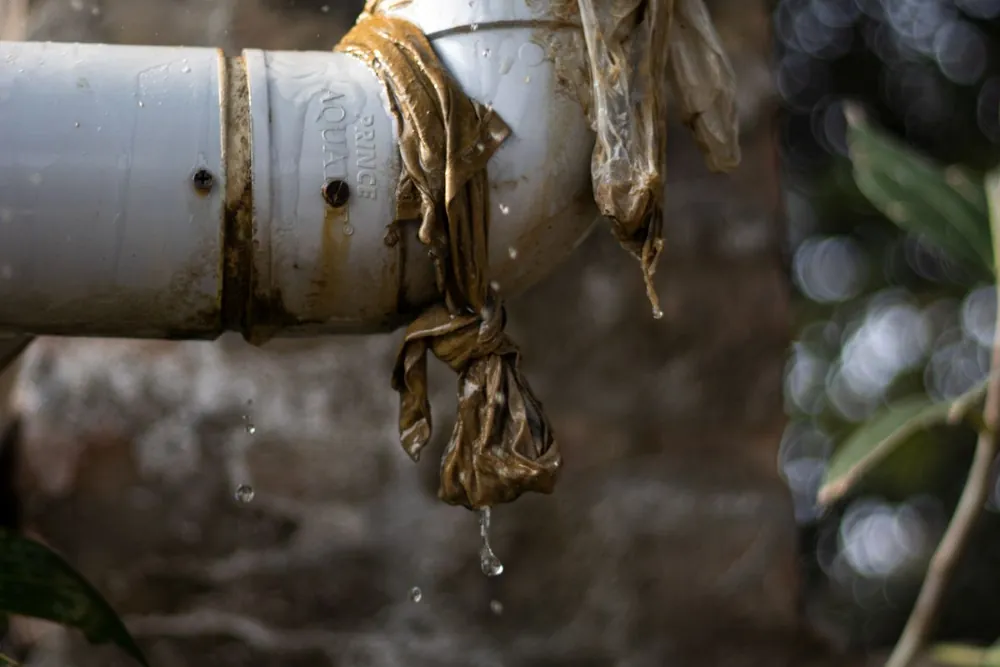
Crews aim to arrive quickly, because every hour of standing water raises the cost and spread of the damage.
Each loss is handled with a structured, industry-standard process, from classifying the water category to monitoring the drying.
One call covers water extraction, structural drying, antimicrobial treatment, and the repairs that return a property to normal.
Detailed moisture readings and photo documentation help property owners file an accurate, well-supported insurance claim.
Water Damage Restoration in Long Neck, DE typically costs $150 to $7,500 or more, depending on the water category, the size of the affected area, and the materials involved.
Most Long Neck projects fall between $500 and $2,500. Final pricing is set after a free on-site assessment, with no exact quote given sight unseen.
| Scope of the job | Typical range |
|---|---|
| Minor job, small area, clean water | $150 - $500 |
| Moderate job, a single room | $500 - $2,500 |
| Major job, multiple rooms or Category 2-3 water | $2,500 - $7,500+ |
Estimates only, not a quote. Actual cost depends on the water category, the affected area, and the materials involved. Call (877) 899-4231 for a free assessment.
Hurricanes, nor'easters, and heavy rain push water into homes through roofs, windows, and rising ground water, and low-lying coastal areas are prone to tidal flooding.
Aging plumbing and winter freezes can split pipes and release hundreds of gallons in minutes.
Worn shingles, storm damage, and clogged gutters let rainwater seep into ceilings, insulation, and wall cavities.
Failed water heaters, washing machine hoses, and dishwashers are a frequent source of slow, hidden leaks that go unnoticed for weeks.
Municipal backups and clogged lines can force contaminated Category 3 water into the lowest levels of a home.
High water tables and poor drainage let moisture collect below grade, which raises humidity and mold risk throughout the house.
Restoration technicians classify every loss by category, which describes how contaminated the water is, and by class, which describes how much water is present. That classification drives the safety steps and the drying plan.
It depends on the policy. Sudden and accidental water damage is often covered, while gradual leaks and long-term seepage may not be. The restoration team can document the loss and help support the claim.
For emergencies, crews aim to arrive within about an hour so water extraction and drying can begin right away.
The IICRC defines three categories: Category 1 is clean water, Category 2 is gray water with some contamination, and Category 3 is black water that is highly contaminated. Each category calls for a different cleanup and safety approach.
Yes. Antimicrobial treatment is a standard step, and drying follows EPA guidance so moisture is removed before mold can develop.
Right away. Mold can begin within 24 to 48 hours, so fast extraction and drying protect both the structure and indoor air quality.
Local crews serve Long Neck and nearby Sussex County communities, including Millsboro and Nassau.